Illinois State Board of Education
Illinois Professional Educator License (PEL)
English Language Arts, Grades 9–12
English Language Arts, Grades 9–12

English Educator
PEL Illinois Professional Educator License, English Language Arts, Grades 9–12
An avid fish-keeper, botanist, and reader committed to fostering student growth through creative, engaging lessons grounded in data-driven instructional practices.
Max Meirhaeghe · English educator, Chicago · maxmeirhaeghe@gmail.com
My teaching philosophy centers on the belief that the purpose of education is to prepare young adults to think critically about the world around them. But this connection needs to be fostered by meeting students where they're at and through genuine one-on-one connection.
I take pride in teaching English because it offers some of the most universal applications of critical thinking. All students in the U.S. encounter ideas, information, and culture through their understanding of the concepts taught in English class, be it through the news they read, the stories they watch, and the media they consume. By teaching English, I aim to help students look beyond the surface and uncover deeper meaning.
But for that to happen, students must first be met where they are.
That understanding reshaped my approach to teaching. Early on, I entered the classroom driven by my own passion for literature and analysis. I envisioned rich discussions and deep textual exploration, similar to what excites me as a reader. I wanted to recreate that same sense of enthusiasm and intellectual engagement for my students. However, in practice, I found myself doing most of the thinking, leading with heavy analysis and long explanations, while students struggled to keep up.
A turning point came when school data revealed that many of my students were performing below grade level in reading fluency and comprehension. That moment clarified the disconnect: it wasn't a lack of interest or effort, but a lack of access to the foundational skills needed for analysis.
From that point forward, my focus shifted. I began prioritizing the development of core literacy skills, using data to guide instruction and meeting students at their actual entry points.
Now, my classroom centers on student growth that is both data-driven and relationship-driven. Building genuine connections with students allows me to understand their needs, while skill-based instruction gives them the tools to meet high expectations. Rather than focusing on what I find most engaging, I focus on what students need in order to think independently and critically. The ability to analyze complex texts is not an innate talent; it is a skill that is built step by step. Every student deserves access to those building blocks.
I find a real sense of clarity and purpose in this approach; it ensures that my teaching is not only engaging but meaningful. It allows me to move beyond intuition and anchor my practice in what truly benefits students. And with that, I can offer them an opportunity to grow, think critically, and to fully participate in the world around them.
Licensed Illinois English teacher (PEL) trained at the University of Illinois Chicago, with a semester of student teaching in Chicago Public Schools classrooms with a high share of English learners. Builds data-driven literacy instruction, from fluency and comprehension through synthesis writing and research, and pairs it with a warm, structured classroom culture.
Three lessons from student teaching, each with its plan and a short note on why it worked.
This lesson was used on one of my ACT focus days with the juniors. We played review games on increasingly difficult grammar concepts as we got ready to take a practice English ACT test. I'm particularly proud of this lesson due to how much it engaged every student, even ones who often needed more encouragement to participate.
This lesson was created as a piece of a unit plan which would teach story elements like theme, point of view, and setting to high school first-year students. I am particularly proud of this lesson, which uses the S.T.E.A.L. acronym to teach characterization using a person (real or fictional) of the student's choice.
I used this lesson to help students practice summarization of readings, which was the primary skill I was tasked with helping them develop by the administration. It uses the novel we were reading in class and tasks the students to connect the "most important" choice of the chapter to Janie's characterization and the novel's theme of self-determination in a succinct three-sentence summary.
Artifacts from senior English at Social Justice High School, from citation practice to finished research projects.
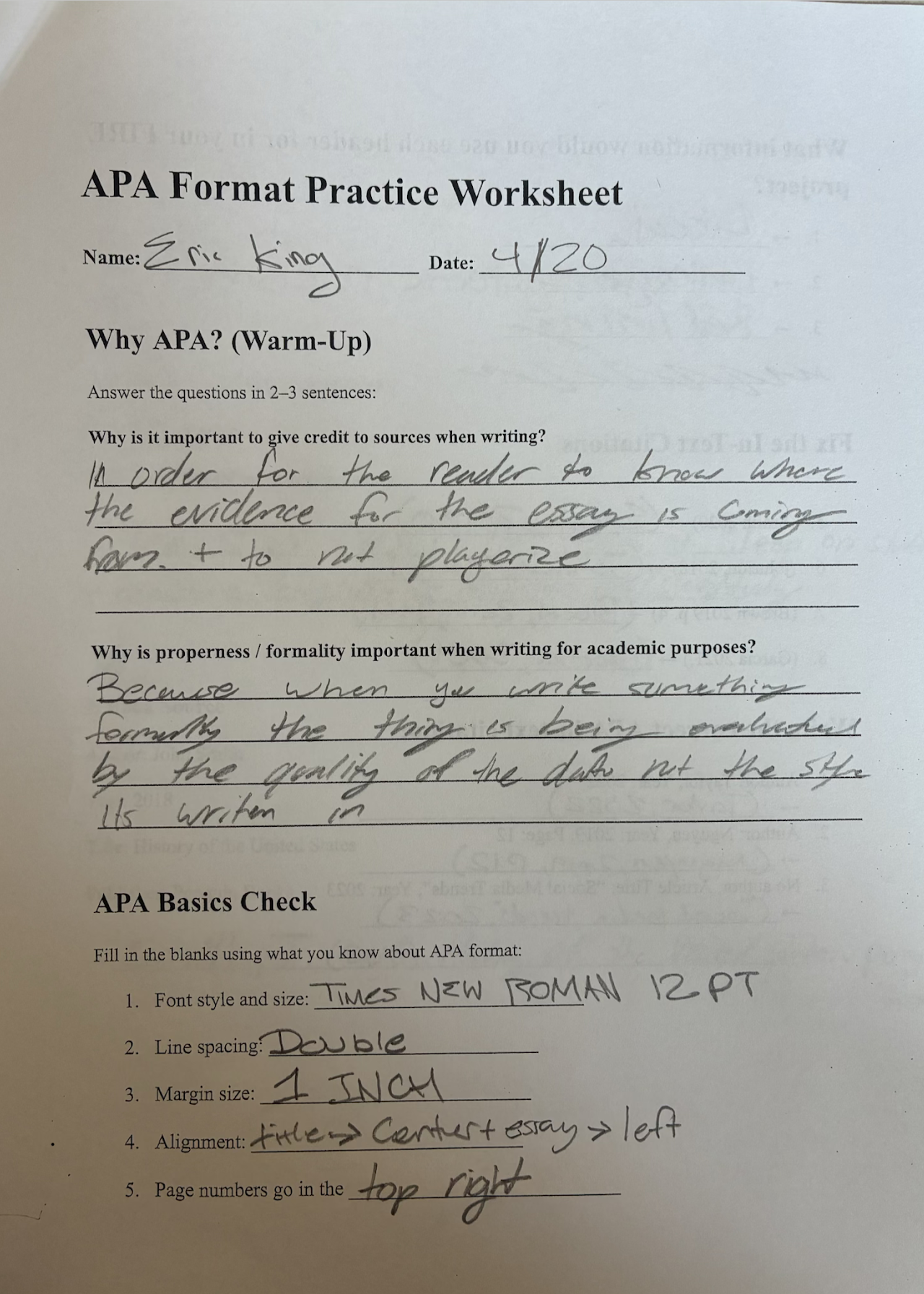
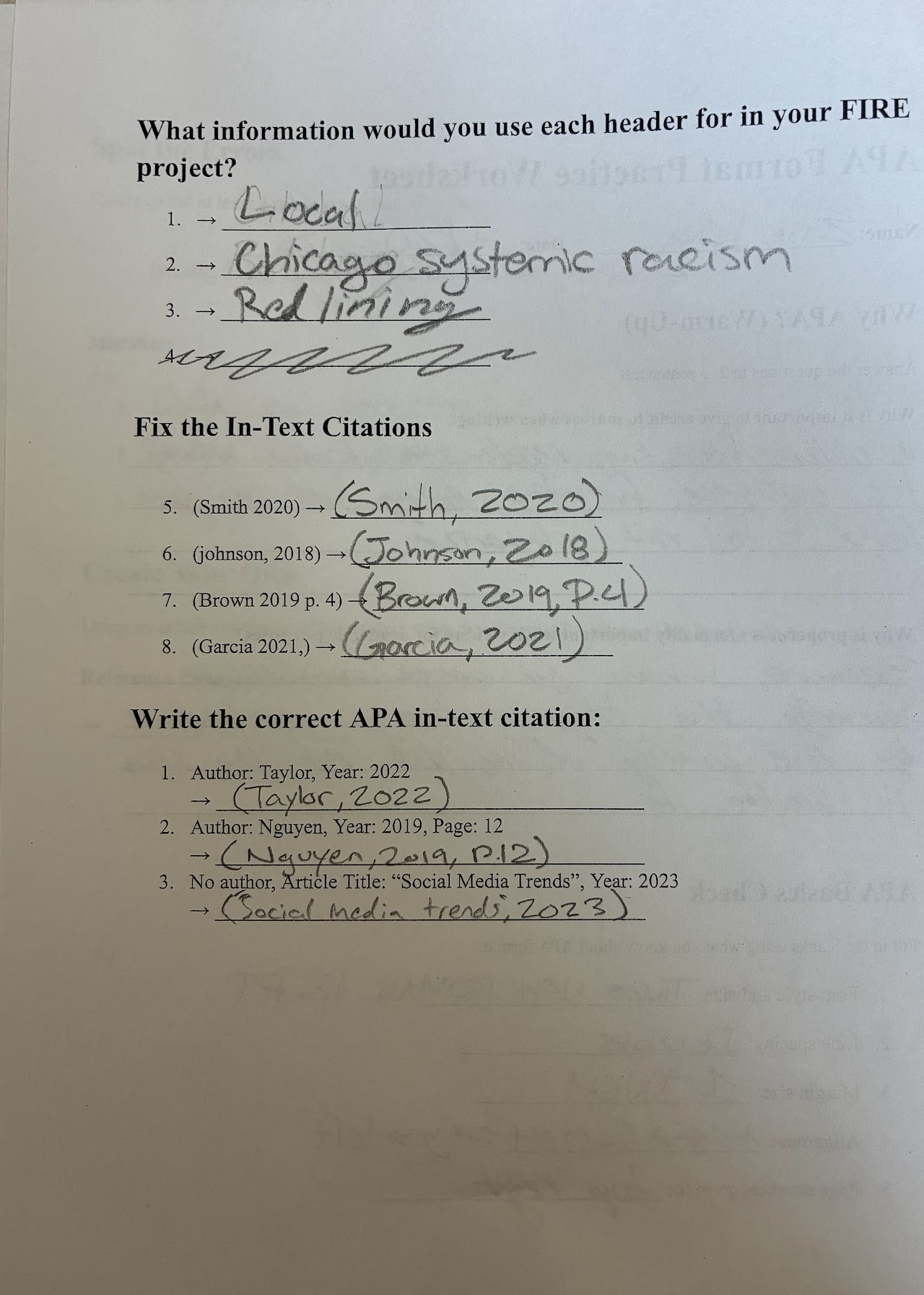
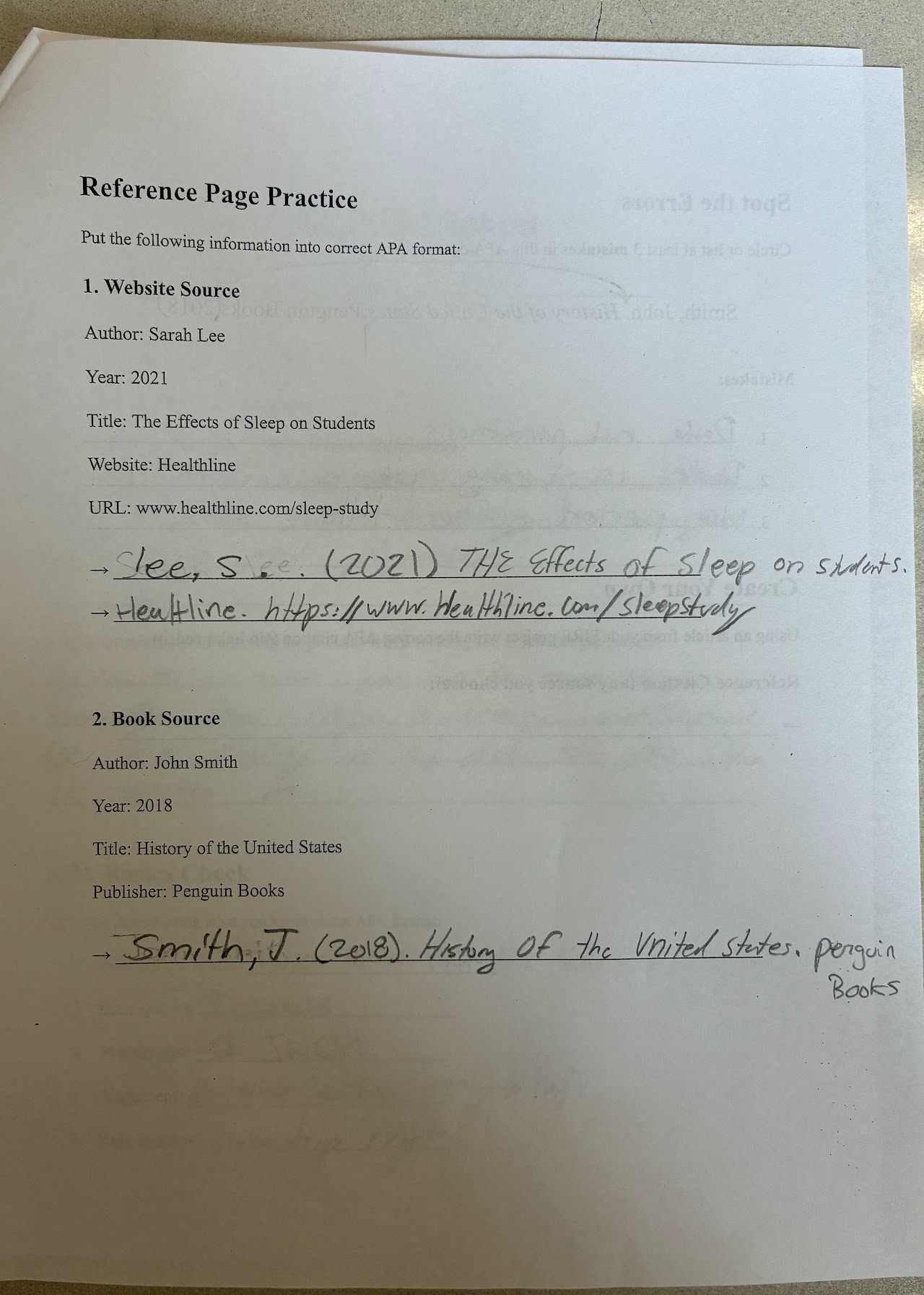
The seniors were given this sheet to review and practice identifying the key components of APA citation, to ensure that no points would be lost for improper citation on the final research project assignment.
Seniors were tasked with researching a topic of their choice. Topics ranged from the evolution of sports equipment to abortion rights. Then they had to educate their classmates on all the necessary background info and make a call to action about what needs to be done.
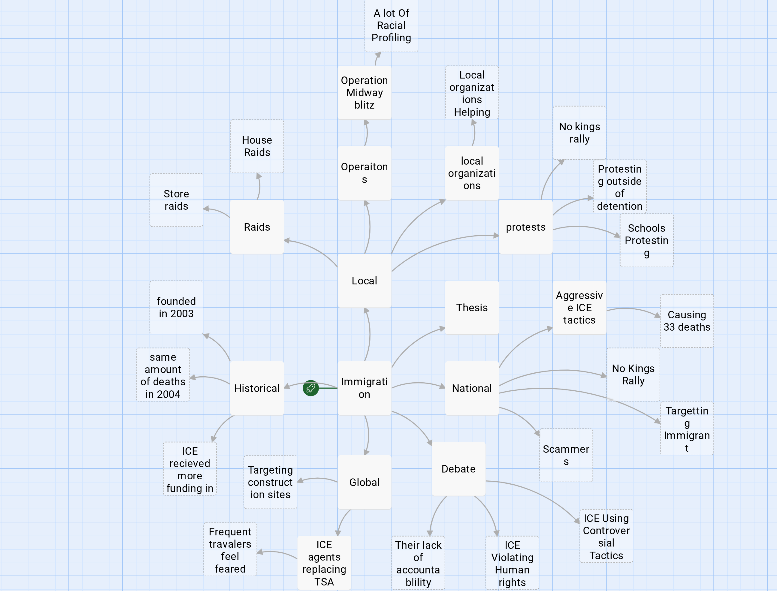
Instead of a traditional, paragraph-style outline for the research project, I tasked students with creating a concept map of their research so they could lay all their information in front of them in a visual manner, and then use the branches of their concept map to figure out how they wanted to divide the paragraphs in the essay portion of their research assignment.
My mentor teacher from Social Justice High School.
Senior Lecturer and Associate Director of English at UIC.
I take pride in creating an environment for my students that is alive and engaging but not loud and distracting. A place that can take away a lot of the daunting formality of some classrooms. I love including music, videos for ambiance, handshakes, drawings, and time for students to share their interests and hobbies.
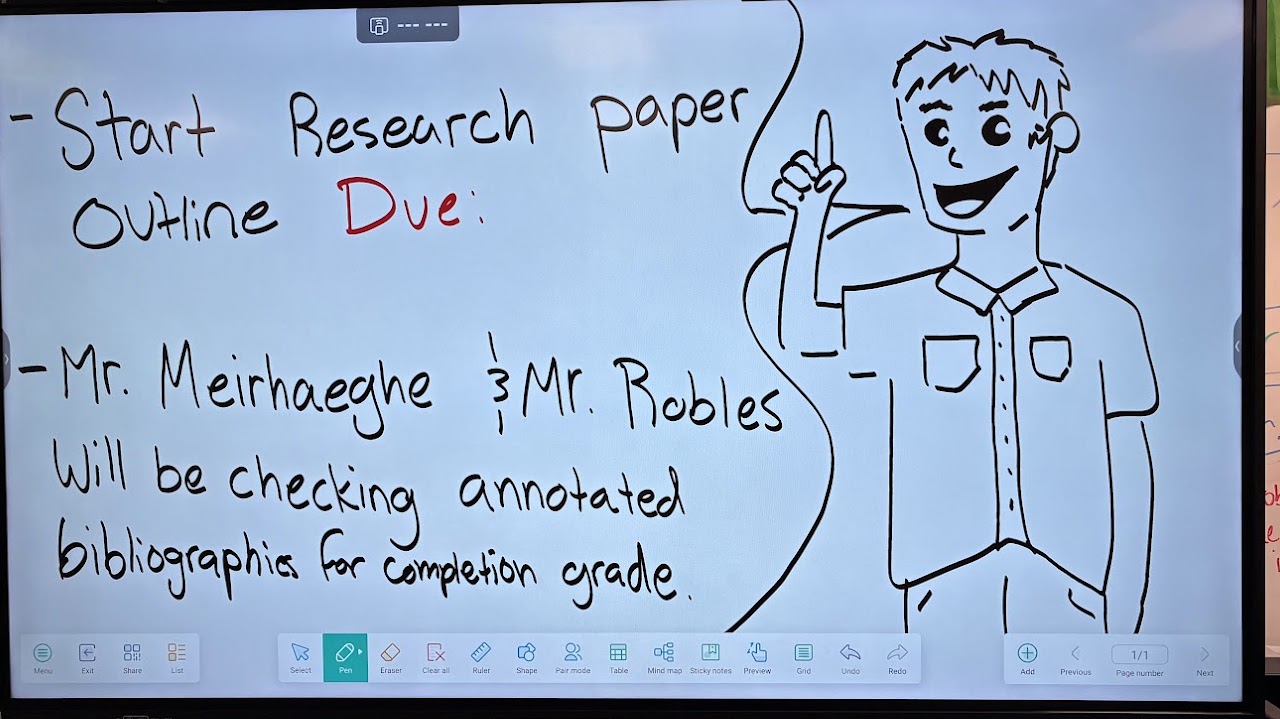
This is a playlist I've been slowly building in order to play in the background to help students destress with some soothing beats that are unique to the typical Lo-Fi aesthetic.
I curated a playlist of unique educational videos to not only satisfy my own curiosity, but in order to build a culture in my planning periods where students could come and engage in learning that was more optional and niche than their typical classes. It was a great success.
Sometimes, when ambient videos weren't giving the energy the classroom needed, I would play this curated playlist of some of my favorite songs!
Pick a section from the contents, or go back to the home page.
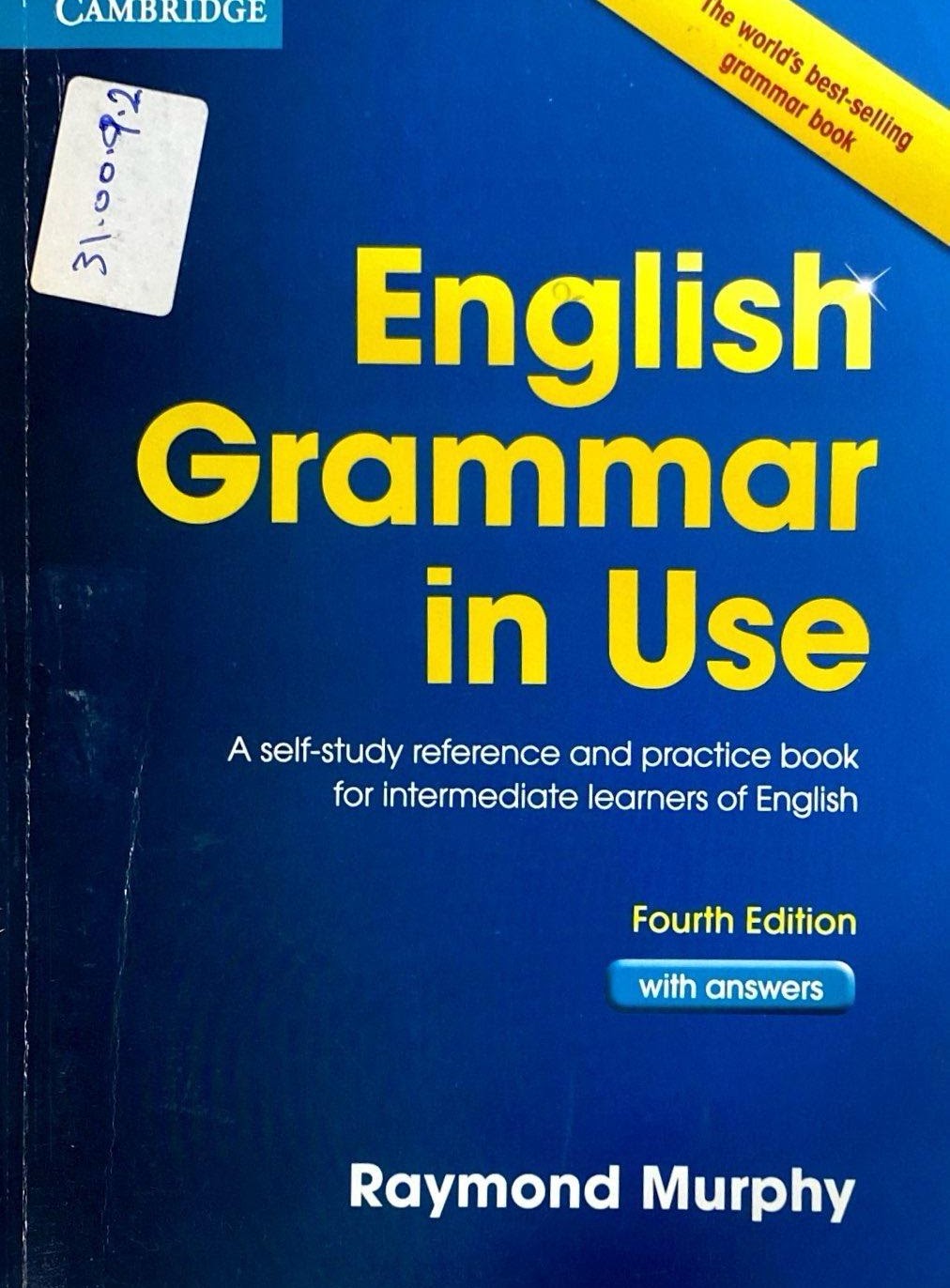 Subject Verb Agreement Game
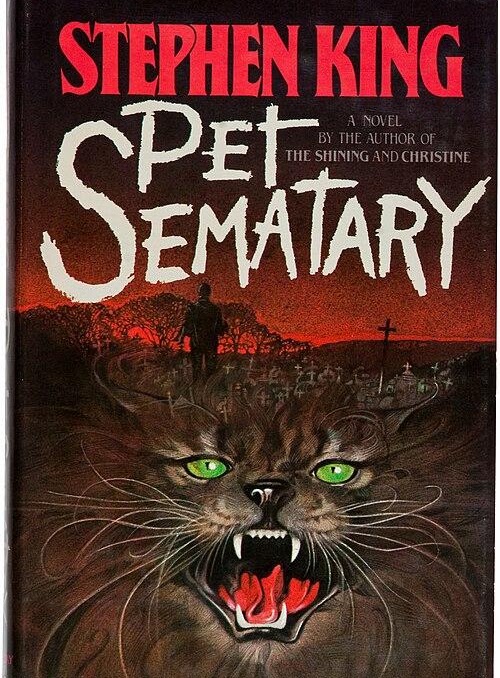 Characterization Lesson for a Unit on Horror
 Synthesis Writing with Their Eyes Were Watching God